Introduction
In today’s fast-evolving digital landscape, the gap between what is taught in traditional classrooms and what the industry actually demands is growing rapidly. Businesses are no longer looking for candidates who only understand theory; they want professionals who can execute real campaigns, analyze data, and deliver measurable results from day one. This shift has created a new standard for learning, where only those equipped with practical, industry-relevant skills can truly succeed. This is exactly why students from a modern digital marketing training institute in Bangalore are consistently staying ahead of the curve.
The demand for a job-ready digital marketing course in 2026 is at an all-time high, but not all courses are designed to meet this need. Many institutes still rely on outdated syllabi, generic teaching methods, and limited exposure to real-world applications. As a result, students often struggle to transition from learning to earning. In contrast, a modern, industry-oriented digital marketing course focuses on hands-on experience, live projects, and real-time tools that prepare students for actual job roles.
This blog explores why our students are two steps ahead of the industry, how modern digital marketing training is reshaping careers, and what makes a practical digital marketing training program truly effective in today’s competitive market.
Body
Bridging the Gap Between Learning and Industry
One of the biggest challenges in digital marketing education is the disconnect between academic learning and industry expectations. Traditional courses often emphasize concepts without providing opportunities to apply them in real scenarios. However, modern training programs are designed to bridge this gap by integrating practical learning with theoretical knowledge.
Students are exposed to real-world case studies, live campaigns, and performance-based assignments that simulate actual work environments. This approach ensures that they not only understand concepts but also know how to implement them effectively. By the time they complete the course, they are already familiar with the tools, strategies, and workflows used in the industry.
Focus on Job-Ready Skills
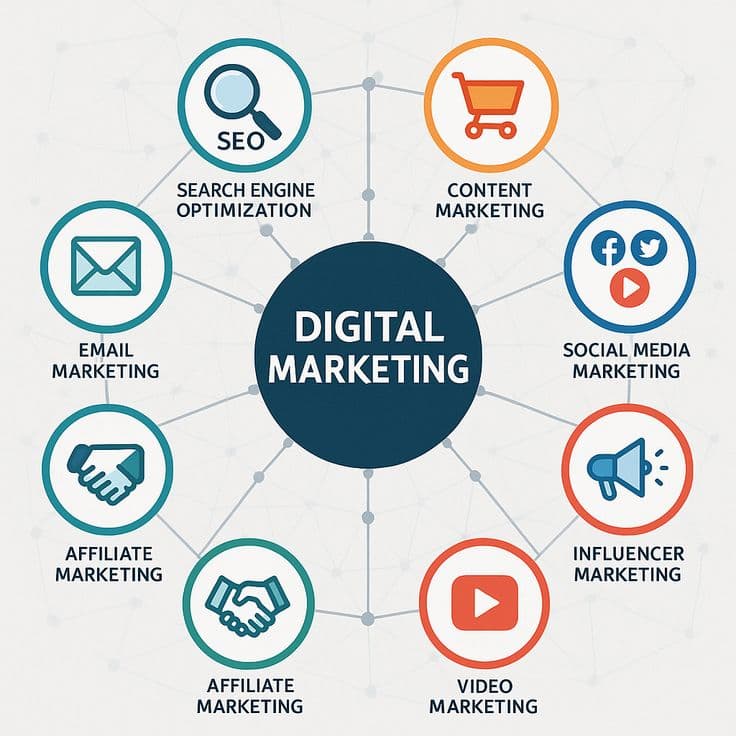
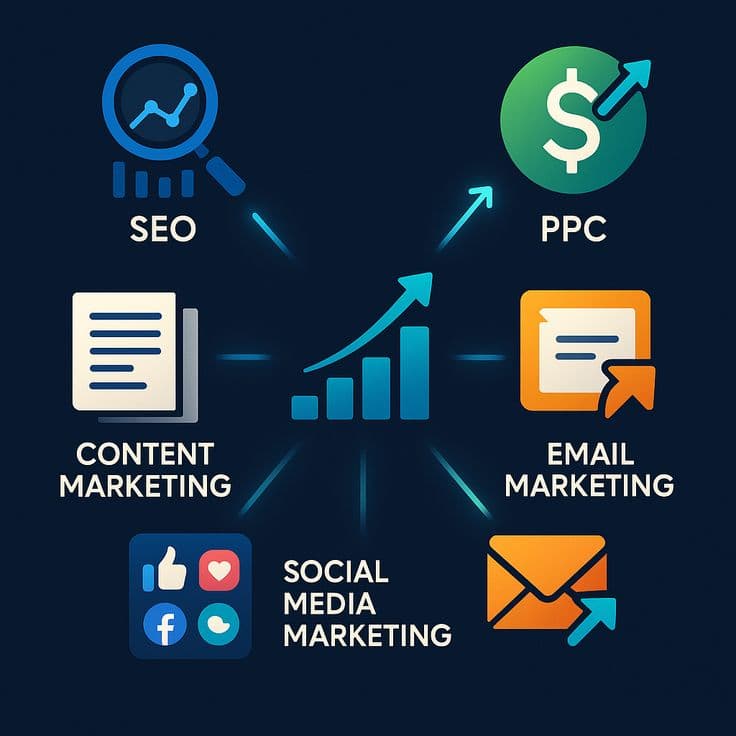
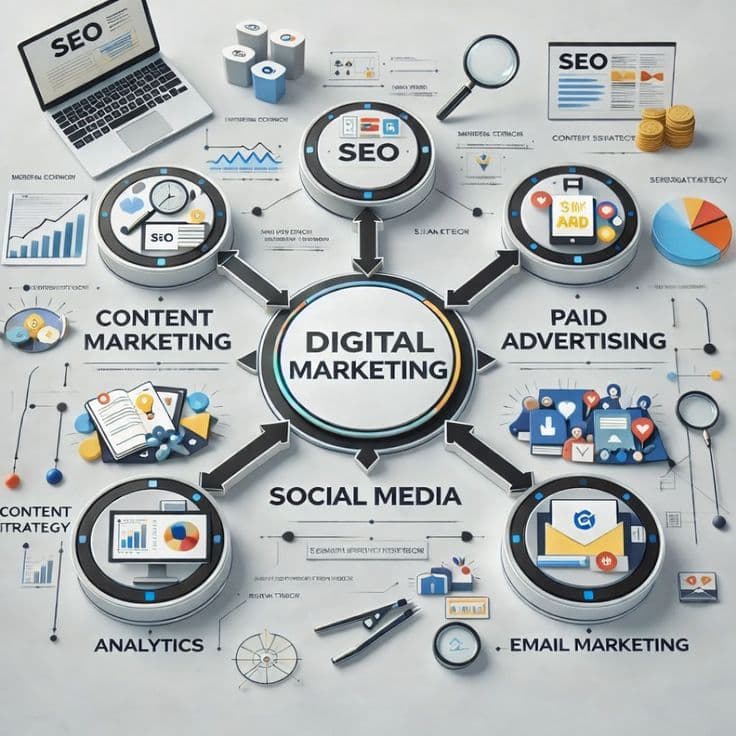
In 2026, companies are prioritizing skills over certificates. A job-ready digital marketing course focuses on developing competencies that are directly applicable to job roles. This includes areas such as search engine optimization, social media marketing, paid advertising, content strategy, and analytics.
Instead of relying solely on lectures, students actively participate in creating campaigns, optimizing websites, and analyzing performance metrics. This hands-on approach builds confidence and ensures that students are prepared to handle real challenges from day one.
Learning Through Live Projects
One of the key factors that sets a practical digital marketing training program apart is the emphasis on live projects. Students work on actual business scenarios, allowing them to understand client requirements, develop strategies, and measure outcomes.
This experience not only enhances their skills but also helps them build a strong portfolio. Having real project experience gives students a significant advantage during job interviews, as they can demonstrate their capabilities with tangible results.
Industry-Relevant Curriculum
The digital marketing industry is constantly evolving, with new tools, platforms, and trends emerging regularly. An industry-oriented digital marketing course ensures that the curriculum is updated frequently to reflect these changes.
Topics such as AI in marketing, automation tools, generative engine optimization (GEO), and performance marketing are integrated into the learning process. This ensures that students are not only keeping up with the industry but are also prepared for future developments.
Mentorship from Industry Experts
Another critical aspect of modern training is learning from experienced professionals. Industry experts bring practical insights, real-world experiences, and valuable guidance that cannot be found in textbooks.
Through mentorship sessions, workshops, and guest lectures, students gain a deeper understanding of how the industry operates. This exposure helps them develop a strategic mindset and prepares them to handle complex marketing challenges.
Mastering Tools and Technologies
Digital marketing is heavily reliant on tools and technologies, and mastering them is essential for success. Students are trained on industry-standard tools for SEO, analytics, social media management, and advertising.
This hands-on experience ensures that they are comfortable using these tools in professional settings. It also increases their employability, as companies prefer candidates who can start contributing immediately without extensive training.
Building a Strong Personal Brand
In today’s competitive job market, having skills is not enough; students must also showcase their expertise. Modern training programs emphasize personal branding, helping students create a strong online presence.
This includes building LinkedIn profiles, creating portfolios, and sharing content that highlights their knowledge. A strong personal brand not only attracts job opportunities but also establishes credibility in the industry.
Placement Support and Career Guidance
One of the most important aspects of a best digital marketing course with placement is the support provided to students in securing jobs. This includes resume building, interview preparation, and placement assistance.
By connecting students with industry opportunities, training institutes ensure a smooth transition from learning to employment. This comprehensive support system plays a crucial role in shaping successful careers.
Benefits of Modern Digital Marketing Training
Modern digital marketing training offers numerous advantages that make students stand out in the industry. One of the most significant benefits is practical exposure, which enables students to gain real-world experience before entering the job market. This not only boosts their confidence but also makes them more attractive to employers.
Another key benefit is skill-based learning, where the focus is on developing competencies rather than memorizing concepts. This approach ensures that students are equipped with the knowledge and abilities required to perform effectively in their roles.
Additionally, students gain access to the latest tools and technologies, keeping them updated with industry trends. This gives them a competitive edge and prepares them for future advancements in digital marketing.
The emphasis on personal branding and portfolio development further enhances their career prospects, while placement support ensures that they have the guidance needed to secure job opportunities.
Frequently Asked Questions (FAQs)
What makes modern digital marketing training different from traditional courses?
Modern training focuses on practical learning, live projects, and industry-relevant skills, whereas traditional courses often emphasize theoretical knowledge.
Is a digital marketing course necessary for a career in marketing?
While it is possible to learn independently, a structured course provides guidance, hands-on experience, and industry exposure, making it easier to build a successful career.
What skills are required to become a digital marketer in 2026?
Key skills include SEO, social media marketing, content creation, analytics, paid advertising, and understanding of AI tools.
Do digital marketing courses offer placement support?
Yes, many institutes provide placement assistance, including resume building, interview preparation, and job referrals.
How long does it take to become job-ready in digital marketing?
With a well-structured course, students can become job-ready within a few months, depending on their learning pace and practice.
Conclusion
The digital marketing industry is evolving rapidly, and staying ahead requires more than just theoretical knowledge. Modern digital marketing training programs are designed to equip students with practical skills, industry insights, and real-world experience that make them job-ready from day one.
By focusing on hands-on learning, live projects, and industry-relevant curriculum, these programs ensure that students are not only prepared for current demands but also future challenges. This is why students from a digital marketing training institute in Bangalore that emphasizes practical learning are consistently two steps ahead of the industry.
As businesses continue to seek skilled professionals who can deliver results, investing in a job-ready digital marketing course in 2026 is one of the smartest decisions aspiring marketers can make. Those who choose the right training program will not only secure better opportunities but also build successful and sustainable careers in the dynamic world of digital marketing.