Digital Marketing for Non-IT Graduates: Is It a Good Career Switch?
Thinking about a career switch to digital marketing? Discover why commerce, arts, and science graduates can build a successful digital marketing career without coding. Learn the skills, job opportunities, and salary insights for 2026.
15 min read
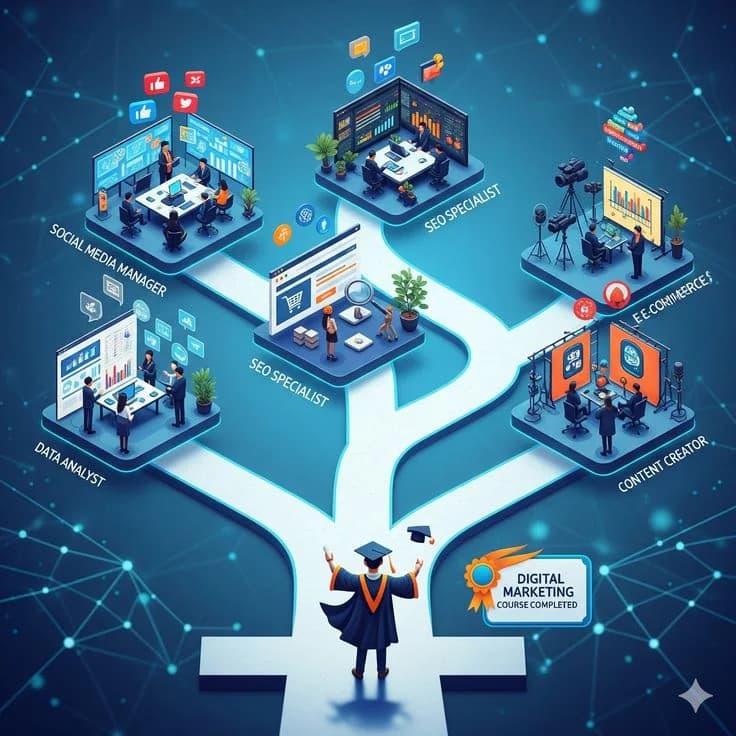
Are you a commerce, arts, humanities, or any non-technical graduate wondering if a career switch to digital marketing is realistic? You're not alone. Thousands of freshers and mid-career professionals from non-IT backgrounds ask the same question every year: Can commerce students learn digital marketing? The short answer is a resounding yes. Digital marketing stands out as one of the most accessible, high-growth fields that welcomes diverse educational backgrounds — and often thrives because of them.
In 2026, with digital ad spend nearing $1 trillion globally and consistent job growth projected at 6% or higher through the next decade, the industry actively seeks creative, strategic, and analytical minds — skills many non-IT graduates already possess. This guide addresses common doubts, highlights opportunities in digital marketing for non-IT graduates, explores digital marketing careers for freshers, and outlines a practical path forward — all without needing coding skills.
Why Digital Marketing Is Ideal for Non-IT Graduates
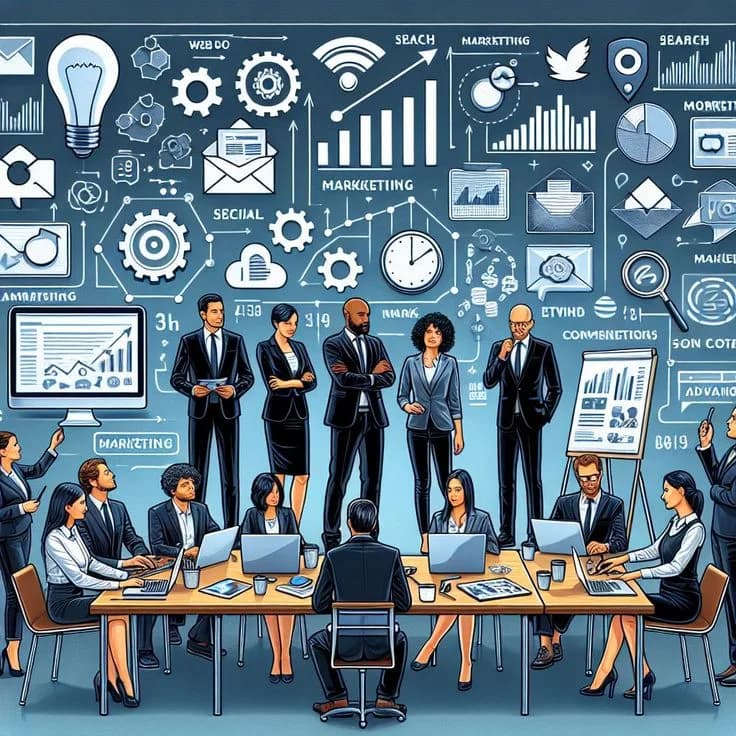
Unlike software engineering or data science, digital marketing rarely demands a technical degree or programming expertise. Success hinges on understanding consumer behavior, creativity, communication, strategy, and data interpretation — areas where commerce and arts graduates often excel.
Commerce graduates bring strengths in business fundamentals, market analysis, finance, and consumer psychology — directly transferable to campaign budgeting, ROI tracking, and e-commerce strategies. Arts and humanities graduates shine in content creation, storytelling, branding, and cultural nuance — critical for social media, copywriting, and audience engagement.
Key advantages of a career switch to digital marketing
Low Barrier to Entry: No coding required for most roles. Tools are user-friendly with drag-and-drop interfaces, visual dashboards, and AI assistance.
High Demand for Diverse Talent: Employers value fresh perspectives. Non-IT backgrounds help craft authentic campaigns that resonate with real people.
Flexible Learning Curve: Many skills can be learned through practical projects, online courses, and hands-on experience rather than years of formal education.
Remote and Freelance Opportunities: Ideal for work-life balance or starting part-time while transitioning.
The field rewards results over pedigree. A strong portfolio often outweighs a traditional degree.
Addressing Common Doubts: Can Commerce Students Learn Digital Marketing?
Doubt 1: "I don't have a tech background — will I struggle?"
Digital marketing jobs without coding are plentiful. Core activities involve strategy, content, ads management, analytics, and optimization — all accessible via intuitive platforms like Meta Business Suite, Google Ads, Canva, and HubSpot. Technical aspects (like basic HTML for emails or SEO) are learnable in weeks, not years. Many successful marketers come from commerce, journalism, psychology, or even history backgrounds.
Doubt 2: "Is it too competitive for freshers?"
Digital marketing career for freshers is promising due to expanding demand across industries — e-commerce, startups, agencies, FMCG, education, and more. Entry-level roles like social media coordinator, content marketer, SEO executive, or paid ads specialist frequently hire motivated beginners. Companies seek attitude and learning agility alongside basic skills.
Doubt 3: "Will my degree be irrelevant?"
Your degree is an asset. Commerce knowledge aids in understanding metrics, customer lifetime value, and business goals. Arts backgrounds enhance creative campaigns. Hybrid thinkers who combine domain knowledge with digital tools often rise faster.
Doubt 4: "What about job security and growth?"
The industry is future-proof. Trends like AI-driven personalization, short-form video, data privacy, and performance marketing create ongoing opportunities. Non-IT graduates who upskill continuously thrive.
Essential Skills for a Successful Career Switch to Digital Marketing
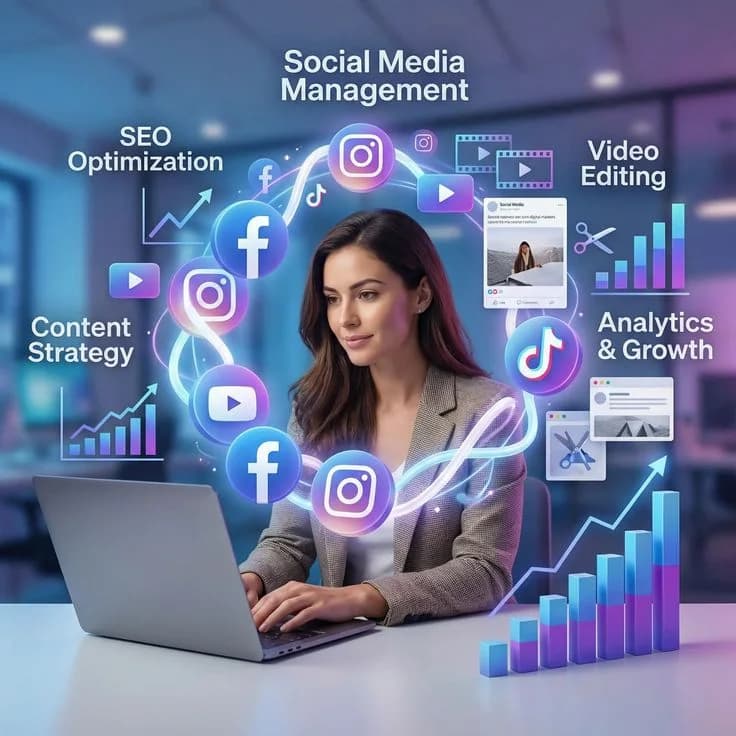
Focus on these in-demand skills that play to non-technical strengths
Content Strategy & Storytelling: Writing compelling copy, creating visuals, and building narratives.
Social Media Marketing: Platform algorithms, community building, and engagement.
SEO Fundamentals: Keyword research, on-page optimization, and content planning (tools like SEMrush or Ahrefs have intuitive interfaces).
Paid Advertising: Google Ads, Meta Ads — budgeting, targeting, and A/B testing.
Email Marketing & Automation: Nurturing leads and driving conversions.
Analytics & Data Interpretation: Google Analytics, understanding reports, and making decisions (no advanced math required).
AI Tools Literacy: Using ChatGPT, Jasper, or Midjourney for efficiency.
Soft skills like creativity, empathy, adaptability, and project management — common among non-IT graduates — provide a competitive edge.
Step-by-Step Guide: How to Make the Career Switch
Self-Assessment: Identify transferable skills. Commerce grads — leverage analytics aptitude. Arts grads — focus on content and creativity.
Structured Learning: Enroll in practical digital marketing courses or project-based programs. Google Digital Marketing Certificate, HubSpot Academy, and specialized bootcamps are excellent starting points. Prioritize hands-on training over theory.
Build Practical Experience
Create personal projects: Manage a blog, grow a niche Instagram/TikTok account, or run campaigns for a college club or local business.
Freelance on Upwork or approach small businesses for volunteer/low-budget work.
Internships: Many agencies and brands offer roles for digital marketing for non IT graduates.
Create a Portfolio: Showcase 3–5 case studies with goals, strategies, results (even simulated), and learnings. A personal website or Behance profile works well.
Certifications (Strategically): Use them as supplements. Combine with real projects to stand out.
Networking & Job Search: Optimize LinkedIn, join communities, attend webinars. Tailor resumes to highlight transferable skills and projects. Prepare for interviews by practicing campaign scenarios.
Many transition within 3–6 months of focused effort.
Success Stories of Non-IT Graduates in Digital Marketing
A commerce graduate leveraged accounting knowledge for performance marketing, optimizing ad spend for e-commerce brands and advancing to a managerial role within two years.
An arts major turned content strategist built a viral social media presence for personal projects, landing a job at a creative agency.
Freshers from humanities backgrounds excel in brand storytelling and community management, roles where empathy and communication shine.
These examples prove a career switch to digital marketing is not only possible but often highly rewarding for non-technical profiles.
Salary Expectations and Career Progression for Freshers
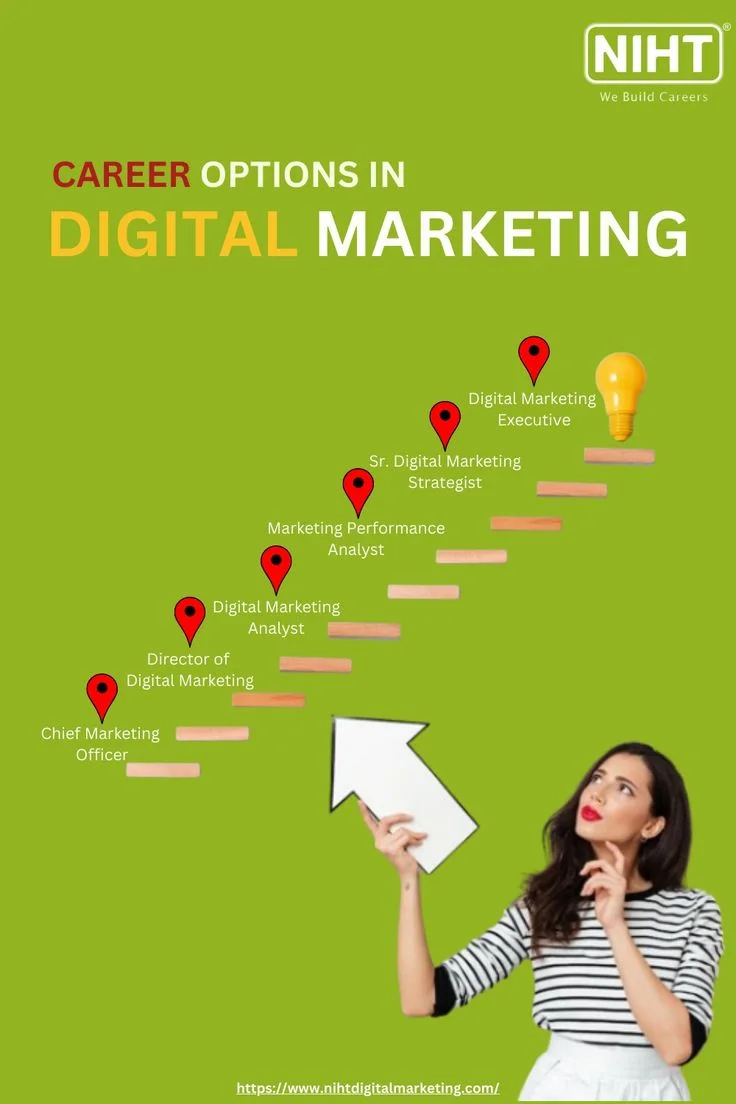
Entry-level digital marketing career for freshers in 2026 typically starts at competitive packages, with growth potential. Roles like digital marketing executive or social media specialist offer solid starting points, with rapid progression to specialist or manager levels as you demonstrate results. Freelance and remote options provide additional flexibility and income streams.
Challenges and How to Overcome Them
Keeping Up with Trends: Dedicate time weekly to industry news and experimentation.
Imposter Syndrome: Focus on small wins and portfolio building.
Initial Learning Curve: Consistent practice with free tools accelerates progress.
Job Market Competition: Differentiate through specialization (e.g., e-commerce marketing for commerce grads) and a strong portfolio.
Is It a Good Career Switch? The Verdict

Yes — a career switch to digital marketing is an excellent choice for non-IT graduates in 2026 and beyond. It offers creativity, impact, growth, and work flexibility without requiring coding expertise. Digital marketing for non IT graduates is not just viable; it's increasingly common and valued.
If you're a commerce or arts student/graduate asking can commerce students learn digital marketing?, the answer is yes — and many are doing it successfully. The field levels the playing field for those willing to learn practically and deliver results.
Ready to begin your digital marketing career for freshers or make the switch? Start with a hands-on project today or explore structured programs designed for career changers. Your non-technical background might just be the unique advantage that helps you stand out in this dynamic industry.
- Can non-IT graduates build a career in digital marketing?
Yes. Digital marketing welcomes graduates from commerce, arts, science, management, and other non-IT backgrounds. Success depends more on practical skills, creativity, and continuous learning than on having a technical degree.
- Do I need coding knowledge to become a digital marketer?
No. Most digital marketing roles do not require coding. Basic knowledge of HTML and website management can be helpful, but skills like SEO, content marketing, social media marketing, Google Ads, and analytics are more important.
- Is digital marketing a good career switch in 2026?
Yes. With businesses investing heavily in online marketing, demand for skilled digital marketers continues to grow. It's a strong career option for professionals looking to switch industries.
- Which graduates can learn digital marketing?
Students and graduates from Commerce, Arts, Science, BBA, B.Com, BA, B.Sc., MBA, Engineering, and other streams can successfully learn digital marketing and build rewarding careers.
- How long does it take to learn digital marketing?
Most beginners can learn the fundamentals in 3–6 months. Gaining practical experience through projects, internships, and certifications can make you job-ready faster.
- What skills are most important for digital marketing jobs?
Key skills include
Search Engine Optimization (SEO)
Google Ads (PPC)
Social Media Marketing
Content Marketing
Email Marketing
Google Analytics
AI tools for marketing
Communication and analytical thinking
- What is the average salary for a beginner in digital marketing?
Freshers in India typically earn between ₹3 LPA and ₹6 LPA, depending on their skills, portfolio, certifications, and location. Candidates with hands-on project experience often receive better offers.
- Can commerce or arts students get digital marketing jobs?
Absolutely. Many successful digital marketers come from commerce and arts backgrounds because the field values communication, creativity, marketing knowledge, and problem-solving.
- What should I focus on besides certifications?
Build a portfolio with real-world projects, create your own website or blog, run Google Ads and social media campaigns, optimize websites for SEO, and earn internships. Practical experience is often more valuable than certifications alone.
- Is digital marketing future-proof with AI?
Yes. AI is transforming digital marketing rather than replacing it. Professionals who learn AI-powered marketing tools, automation, content strategy, and data analysis will have a significant advantage in the job market.